How Adaptive Winter Sports Programs Make Snow Sports Possible for Individuals with Physical Disabilities
Winter sports have traditionally been viewed as physically demanding activities that require strength, balance, and full mobility. This perception has led many people to believe that skiing and other snow-based activities are out of reach for individuals with physical disabilities. Today, physical disability winter programs are reshaping that narrative by making snow sports accessible, supportive, and deeply empowering for participants of all abilities.
Through adaptive technology, expert instruction, and inclusive program design, these initiatives allow individuals to experience the freedom, joy, and confidence that winter recreation can bring, often for the very first time.
Redefining Access Through Adaptive Winter Sports
Adaptive winter sports programs are built around one core belief: everyone’s abilities are unique. Rather than focusing on limitations, these programs reflect STARS’ commitment to meeting people where they are, offering personalized support that allows participants to engage safely and meaningfully in snow sports.
For those navigating mobility differences, limb loss, spinal cord injuries, or neurological conditions, traditional winter recreation can present real obstacles. Adaptive skiing and other snow-based activities are thoughtfully designed to remove those barriers, supporting dignity, independence, and confidence on the mountain. Access to outdoor recreation is central to quality of life, and these programs help ensure that winter environments remain welcoming and inclusive for all.
This approach not only expands access but also helps shift broader perceptions around disability and outdoor recreation. For organizations like STARS, adaptive winter sports are about opening doors, not just to the slopes, but to confidence, connection, and independence.
The Role of Adaptive Equipment in Snow Sports
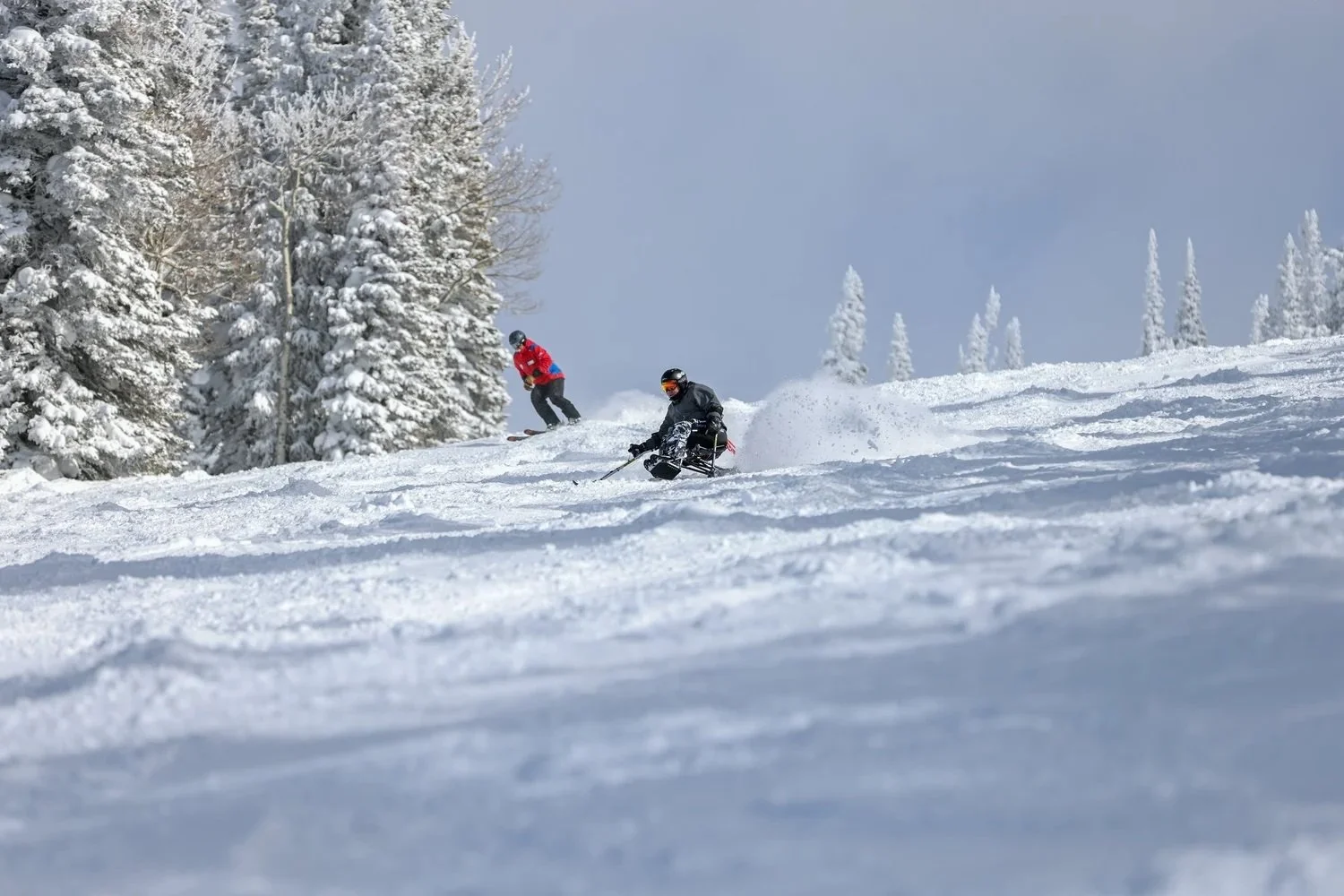
Adaptive equipment plays a vital role in making winter sports accessible to people with physical disabilities. Tools such as mono-skis, bi-skis, sit-skis, and outriggers are designed to provide stability, control, and comfort on snowy terrain.
Each setup is carefully tailored to the individual, allowing participants to move in ways that feel natural for their bodies. With proper fitting and guidance, adaptive equipment supports a sense of movement and momentum similar to that of traditional skiing. When equipment is properly matched to the participant, it becomes a tool for freedom rather than limitation.
These advancements continue to evolve, helping adaptive winter sports remain safe, effective, and enjoyable for a wide range of physical needs.
Skilled Instruction and Individualized Support
Behind every successful adaptive winter experience is a team of highly trained instructors. These professionals bring technical expertise, patience, and an understanding of how to adapt instruction to meet individual goals.
Lessons are paced according to each participant’s comfort level, with a strong emphasis on communication and trust. Instructors provide both physical guidance and emotional encouragement, helping participants build skills while feeling supported throughout the process.
This personalized instruction model is a cornerstone of successful physical disability winter programs and plays a key role in long-term confidence development.
Confidence That Extends Beyond the Slopes
The benefits of adaptive winter programs reach far beyond recreational enjoyment. Participants often report increased confidence, independence, and a greater willingness to take on new challenges in everyday life. Learning a winter sport reinforces problem-solving skills, resilience, and self-belief.
Each milestone, whether it’s completing a first run or mastering a new technique, serves as a reminder that growth is always possible with the right support. The confidence gained on the mountain often carries into school, work, and everyday independence.
For families and caregivers, witnessing this progress can be just as meaningful, fostering pride and a renewed sense of possibility.
Community, Belonging, and Shared Experience
At STARS Steamboat Adaptive Recreational Sports, winter programs are as much about community as they are about skiing. Participants connect with others who understand their experiences, forming relationships rooted in encouragement and shared achievement. Families, instructors, and volunteers come together to create an environment where support and connection thrive, making the mountain a welcoming place for everyone.
This sense of belonging extends well beyond the winter season. Through year-round adaptive recreation, including downhill skiing, STARS demonstrates how inclusive outdoor programs can foster confidence, opportunity, and meaningful community, welcoming participants from across the United States and around the world.
Embracing the Power of Possible
At their core, physical disability winter programs are about more than sport. They represent access, empowerment, and belief in human potential. By combining adaptive equipment, knowledgeable instruction, and compassionate support, these programs open the door to experiences once thought unreachable.
As awareness grows globally, winter landscapes are becoming symbols of inclusion rather than limitation, places where individuals of all abilities can discover strength, joy, and their own power of possibility.