Top Benefits of Therapeutic Horseback Riding for Children and Adults with Disabilities
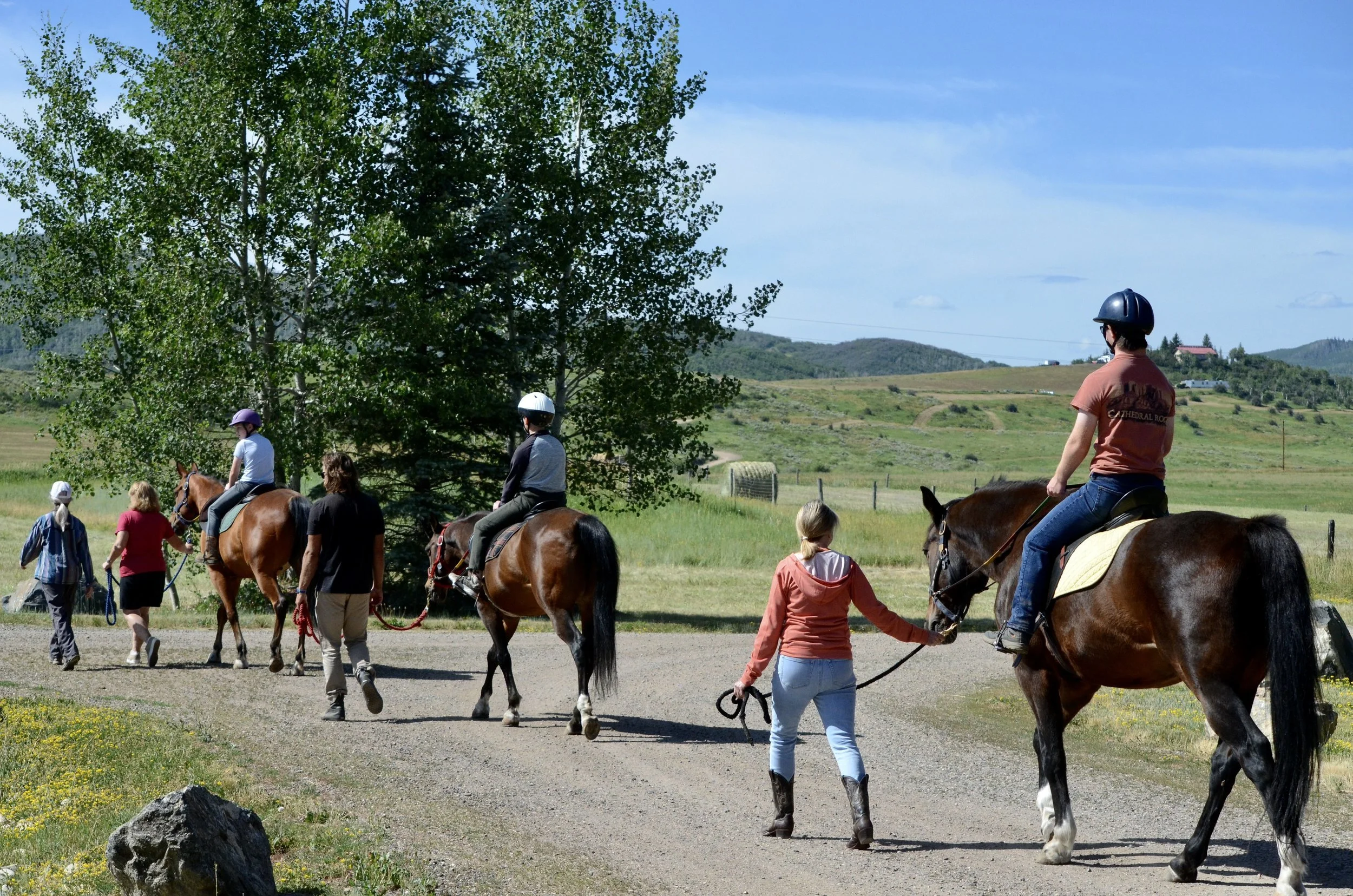
Therapeutic horseback riding is a meaningful form of adaptive recreation that supports individuals with physical, cognitive, and emotional disabilities. By combining purposeful movement, human-animal connection, and an outdoor environment, this form of adaptive recreation offers meaningful benefits that extend far beyond traditional therapy settings.
Programs such as those provided by STARS highlight how carefully designed equestrian experiences can help participants build confidence, strengthen independence, and discover new capabilities through adaptive horseback riding programs in Steamboat Springs.
How Therapeutic Horseback Riding Supports Physical Development
One of the most widely recognized benefits of therapeutic riding is its positive effect on physical movement and comfort. A horse’s natural, rhythmic motion closely mirrors the way the human body moves while walking. This allows riders to gently engage core muscles, improve balance, and develop better posture in a way that feels intuitive and enjoyable rather than clinical.
This adaptive horseback riding approach supports flexibility, coordination, and overall body awareness, particularly for those with limited mobility or neuromuscular differences. Riders often notice improvements in core strength and stability, joint mobility, and confidence in how their bodies move. Over time, these gains can lead to increased endurance and greater ease with everyday activities, as physical progress happens naturally through the rhythm and comfort of the ride.
Emotional Well-Being and Confidence Building
Beyond physical benefits, therapeutic horseback riding plays a meaningful role in emotional growth and connection. Building a relationship with a horse encourages trust, responsibility, and a growing sense of possibility. Guiding and communicating with such a powerful animal can feel deeply empowering, opening new perspectives on personal capability, especially for those who may face limitations in other settings.
Children and adults alike often experience reduced stress, improved mood, and increased self-confidence through adaptive equestrian activities. Horses offer calm, nonjudgmental companionship, creating space for emotional safety, resilience, and independence to develop. These moments of success often become powerful reminders of what is possible when support, patience, and encouragement are present.
Cognitive Engagement and Sensory Integration
Therapeutic riding also promotes cognitive development by encouraging focus, memory, and decision-making. Riders follow structured instructions, respond to verbal and physical cues, and actively participate in making choices and responding to cues throughout each ride. These mental skills are practiced in a positive, engaging setting that supports learning without pressure.
For individuals with sensory processing differences, the experience offers consistent and regulated sensory input. The warmth of the horse, the movement patterns, and the natural surroundings can help support sensory integration. This makes therapeutic horseback riding especially beneficial for individuals with autism spectrum disorders or sensory challenges. Learning happens in a calm, outdoor setting where participants can stay present and engaged.
Social Interaction and Communication Skills
Adaptive riding programs create opportunities for genuine connection and belonging. Participants interact with instructors, volunteers, and peers in an inclusive and supportive environment. These interactions help strengthen communication skills, encourage teamwork, and build trust.
For children, the supportive community can nurture social confidence and emotional expression. Adults often benefit from shared experiences that reduce social isolation and reinforce a sense of belonging. Riders become part of a supportive community that celebrates progress together, creating positive relationships for participants of all ages.
Encouraging Independence and Inclusion
A core principle of adaptive equestrian programs is focusing on ability rather than limitation. Participants are encouraged to set personal goals, celebrate progress, and take pride in their achievements. This strengths-based approach helps reshape how individuals view themselves and how others perceive disability.
Adaptive horseback riding programs in Steamboat Springs demonstrate how adaptive sports can support inclusion while promoting independence. With the right guidance and support, riders are empowered to explore their potential and approach new challenges with confidence. Independence grows when participants are trusted, supported, and encouraged to lead their own experience.
Experiencing the “Power of Possible”
Therapeutic horseback riding is more than a recreational activity; it is a pathway to personal growth. Through movement, connection, and trust, individuals with disabilities gain skills and confidence that carry into everyday life. Adaptive recreation programs across the U.S. continue to show that when barriers are reduced and support is present, people can achieve more than they ever imagined.
Through safe, inclusive equine experiences, organizations like STARS help individuals discover strength, confidence, and their own power of possibility.