Fanbase Operations Fanbase Operations

How Disabled Veteran Women’s Retreats Support Recreation and Community Connection

Many women veterans experience challenges during the transition to civilian life, including feelings of isolation, changes in identity, and a desire for stronger peer connections with others who share similar experiences. A disabled veteran women's retreat addresses these needs directly by combining outdoor recreation with genuine community connection.

These retreats are not just a getaway. They are structured experiences designed to help women veterans reconnect with themselves, with nature, and with others who truly understand what service life feels like.

What Makes a Veteran Women's Retreat Different from a General Wellness Retreat?

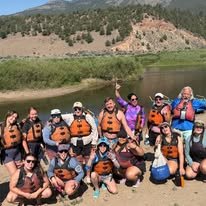
Most wellness retreats are built for a general audience. A veteran women's retreat is designed to bring women veterans together through shared outdoor experiences, recreation, and community connection. The language, the structure, and the peer relationships are shaped by shared military culture.

Women veterans often report feeling out of place in standard therapy groups or wellness programs. Among fellow servicewomen, that gap closes. There is no need to explain the experience; it is already understood.

Key differences include:

  • Facilitators who are often veterans themselves or trained in military culture

  • Programming that addresses military-specific transitions, such as loss of mission or unit cohesion

  • A pace and structure that respects how veterans process challenge and trust

  • An environment where service is honored, not minimized

How Outdoor Recreation Supports Recovery and Well-Being

Nature-based activities are at the heart of many women veterans' outdoor programs. Research consistently shows that time in natural environments reduces cortisol levels, improves mood, and supports mental clarity. For veterans dealing with PTSD, anxiety, or depression, outdoor recreation can be a meaningful complement to clinical care.

Common activities at a veteran women's retreatinclude:

  • Hiking and trail walking in scenic landscapes

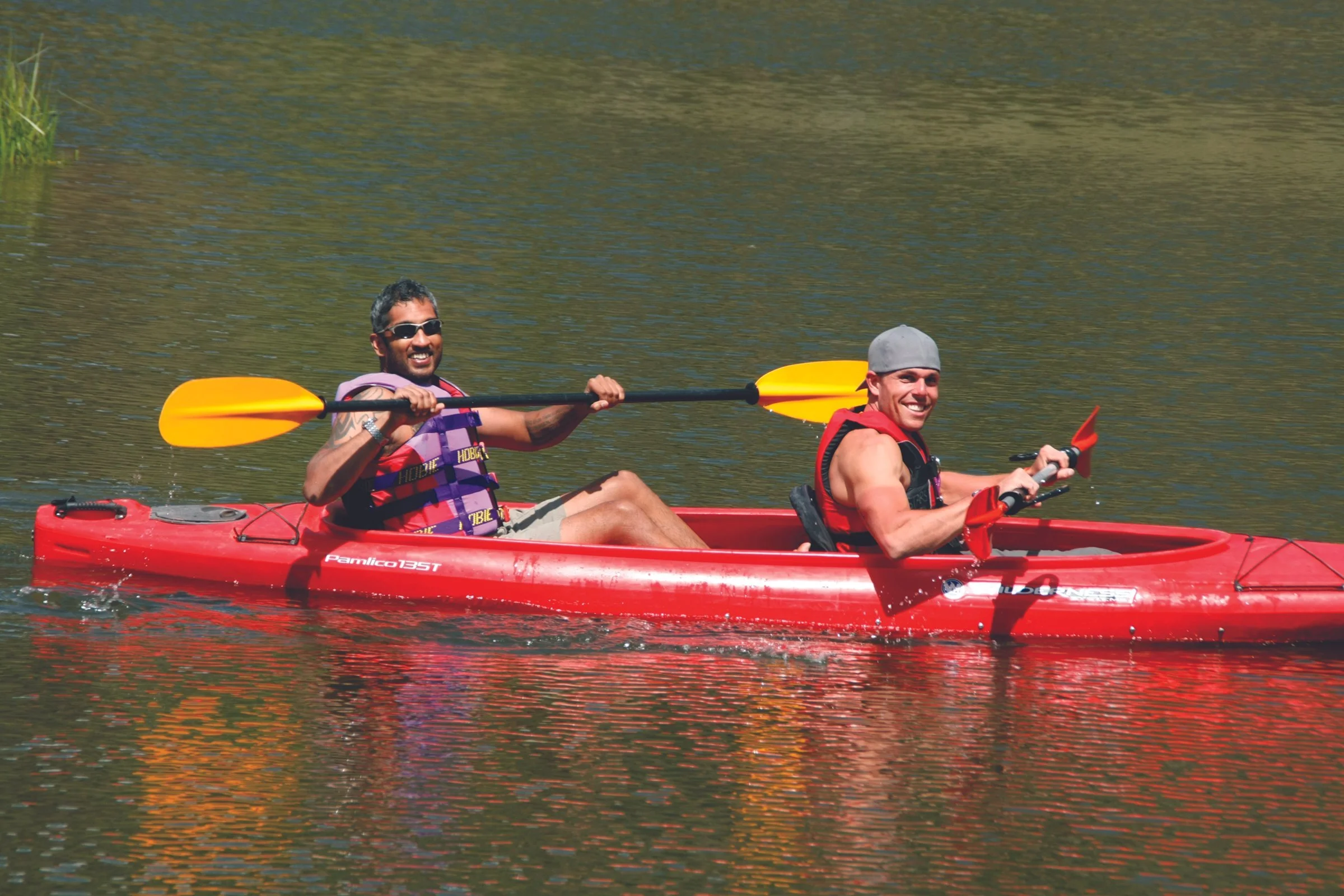
  • Fly fishing, kayaking, or paddleboarding

  • Equine-assisted activities

  • Stargazing, campfire sessions, and wilderness skills

  • Yoga or mindful movement in outdoor settings

These activities provide opportunities to build confidence, try new experiences in a supportive environment, and create shared memories that strengthen connections among participants.

The Role of Community in Veteran Women's Retreats

One of the most frequently cited benefits of female veteran healing retreats is the sense of belonging they create. Many women veterans describe civilian life as lonely, not for lack of people around them, but for lack of people who understand their background.

A retreat creates a temporary but powerful community. Women arrive as individuals and leave as part of a network. Many form friendships that continue long after the program ends.

Peer connection is often one of the most valued aspects of veteran recreation programs. Many veterans describe peer connection as one of the most valuable parts of recreation programs, helping them feel understood, supported, and connected to a broader community. 

At a veteran women's retreat, community is not a side benefit; it is part of the program design.

What to Expect During a Women's Veteran Recreation Retreat

If you are considering attending, here is a general picture of what these retreats typically involve:

  • Day-to-day structure usually balances guided activities with free time. There is space to participate fully or to simply observe and rest.

  • Group sessions may include facilitated conversation, storytelling circles, or guided reflection- not traditional group therapy, but connection-focused dialogue.

  • Solo time is often built in deliberately, recognizing that many veterans also need space for quiet reflection in nature.

  • Meals and shared spaces matter more than they might seem. Some of the most meaningful conversations happen around a campfire or at a dinner table.

  • Most retreats last between three and seven days. Shorter programs offer a strong introduction; longer ones allow for deeper relationship-building and more varied recreation.

Who Benefits Most from Peer Support for Women Veterans

Peer support for women veterans is valuable across a wide range of circumstances. You do not have to be in crisis to benefit. These retreats serve:

  • Recently separated veterans adjusting to civilian life

  • Veterans looking for outdoor recreation, community connection, and new experiences

  • Women veterans who feel disconnected from civilian social networks

  • Veterans interested in spending time outdoors while connecting with other women veterans

  • Women veterans seeking community, connection, and shared outdoor experiences 

The common thread is a desire for connection with others who share the experience of military service.

Veteran Women's Retreats at STARS

STARS offers a Veteran Women's Retreat designed to bring women veterans together through adaptive recreation, outdoor experiences, and community connection. Participants can enjoy adaptive recreation activities, build meaningful friendships, and explore the outdoors in a supportive environment alongside fellow women veterans while discovering their own Power of Possible.

Conclusion

A veteran women's retreat offers something that is genuinely hard to find elsewhere: a space where recreation, nature, and authentic peer connection come together in a context built specifically for women who have served.

Whether you are looking for outdoor adventure, meaningful connections, or time to recharge in a supportive environment, veteran women's retreats provide opportunities to enjoy recreation, build friendships, and experience the outdoors alongside other women veterans.

If you or a woman veteran you know is looking for connection, recreation, and time outdoors, a veteran women's retreat may be a meaningful opportunity to explore.

FAQ: Veteran Women's Retreat

Q: Do I need to have a service-connected disability to attend a veteran women's retreat? 

Most retreats are open to any woman who has served, regardless of disability status or discharge type. Eligibility varies by program.

Q: Are veteran women's retreats covered by VA benefits or insurance? 

Some programs are offered at no cost through nonprofit organizations. VA coverage depends on the specific program and your benefits status; check with the provider directly.

Q: What if I have never done outdoor activities before? 

Most retreats welcome all fitness and experience levels. Activities are typically optional, and facilitators are trained to support participants at every level.

Q: Do I need outdoor experience to attend a veteran women's retreat?

Most programs welcome participants of all experience levels. Activities are designed to be accessible and supportive, with staff available to help participants feel comfortable and engaged throughout the retreat. 

Q: Can I attend alone if I do not know anyone going?

 Yes. Most participants arrive without knowing others. The program structure is specifically designed to build connections from the start.

Read More
Fanbase Operations Fanbase Operations

How Adaptive Mountain Biking Supports Recreation and Community for Veterans

A disabled veteran mountain biking camp brings together trained instructors, adaptive equipment, and peer support in a welcoming outdoor environment. These programs help veterans stay active, build confidence, develop new skills, and connect with others through meaningful outdoor recreation experiences.

Participants may face a variety of challenges, including adjusting to new routines, maintaining community connections, and finding meaningful opportunities for recreation and engagement. Adaptive mountain biking programs have emerged as one meaningful way to address these challenges, putting veterans back on trails, back in teams, and back in motion.

This article explores what these programs actually look like, why they work, and what veterans and families should know before seeking one out.

What Is Adaptive Mountain Biking for Disabled Veterans?

Adaptive mountain biking refers to riding programs that modify equipment, technique, or trail access to accommodate veterans with physical, cognitive, or emotional disabilities. This includes hand-cycles, recumbent bikes, e-assist bikes, and seated trail rigs, along with trained coaches who understand veteran-specific needs.

Unlike standard cycling programs, a veteran's mountain biking camp typically integrates:

  • Peer mentorship from other veterans who ride

  • Professional guidance from adaptive sports coaches

  • Gradual progression from flat terrain to technical trails

  • A structured group environment that mirrors the team culture of military service

The goal isn't just fitness. It's reintegration, physically, socially, and emotionally.

Why Adaptive Mountain Biking Can Be Meaningful for Veterans

The Physical Benefits Are Measurable

Mountain biking engages the full body. Core stability, upper and lower body coordination, cardiovascular endurance, and balance are all activated, often without the joint impact of running or other high-impact activities. For veterans managing orthopedic injuries, prosthetics, or chronic pain, adaptive equipment makes participation possible without sacrificing challenge.

Regular participation in outdoor recreation therapy programs has been associated with improved sleep, reduced chronic pain perception, and greater physical independence.

The Mental Health Impact Goes Deeper

Time outdoors on trails has a documented effect on stress reduction. The combination of physical exertion, natural surroundings, and focused attention required by trail riding creates what researchers call an "attentional restoration" effect; the brain gets a break from rumination.

For veterans dealing with PTSD, anxiety, or depression, a veteran's mountain biking camp offers something that structured clinical settings can't always replicate: genuine engagement in a challenging, goal-oriented activity with peers who understand their background.

Building Connection Through Shared Experiences

One of the most consistent findings in veteran wellness research is that peer connection matters. Veterans often find it difficult to connect with civilian communities after service; the shared reference points just aren't there. Mountain biking camps solve this by putting veterans alongside other veterans, working toward a common physical goal.

Participating in outdoor recreation alongside fellow veterans often creates opportunities for encouragement, teamwork, and meaningful connection.

Who Can Participate in a Veteran's Mountain Biking Camp?

Most programs are open to veterans of all ability levels, including those with:

  • Limb loss or limb difference

  • Spinal cord injuries

  • Traumatic brain injuries (TBI)

  • Visual impairments (tandem options available)

  • Physical, cognitive, and other disabilities

The entry bar is intentionally low. Participants don't need prior cycling experience. Camps typically begin with equipment orientation, basic skills instruction, and short trail segments, progressing as confidence and capability grow.

What to Expect at a Veteran's Mountain Biking Camp

Most multi-day camps follow a similar structure:

Day 1. Orientation and Equipment Fitting: Veterans work with coaches to select appropriate adaptive equipment and complete basic safety training. This is also where riders begin building relationships with instructors and fellow participants.

Day 2–3. Skills Progression on Managed Trails: Guided sessions cover braking, cornering, descending, and climbing, with routes chosen based on each participant's ability. Group rides create natural opportunities for conversation and connection.

Day 4+. Trail Exploration and Group Challenges: More advanced participants take on longer or more technical routes. Peer mentors often ride alongside newer participants, reinforcing the community model.

Evening programming may include group meals, skills discussions, or guest speakers from veteran wellness organizations.

How These Programs Differ from Standard Adaptive Sports

The veteran-specific design makes a meaningful difference. Programs built for this population understand rank dynamics, communication styles, and the particular stigma that can come with asking for support.

Adaptive Veteran Programs at STARS

STARS offers adaptive recreation opportunities for veterans and active-duty service members with service-connected disabilities. Programs may include adaptive mountain biking, rafting, fly fishing, retreats, and other outdoor experiences designed to encourage participation, skill development, and community connection. Programs are supported by trained staff, adaptive equipment, and a welcoming environment that helps participants enjoy the outdoors with confidence.

How does STARS support veterans?

STARS offers adaptive recreation programs for veterans and active-duty service members with service-connected disabilities. Programs may include mountain biking, rafting, fly fishing, retreats, and other outdoor recreation experiences designed to support participation and community connection.

Conclusion

Adaptive mountain biking programs provide veterans with opportunities to stay active, build new skills, and connect with others through outdoor recreation. By combining adaptive equipment with veteran-centered programming, these camps address the physical, mental, and social dimensions of life after service in a way that few other programs can.

For veterans looking to reconnect with their own capabilities and with others who understand their experience, the trail is a place worth starting.

Frequently Asked Questions

1. What equipment is provided at a veteran's mountain biking camp?

Most programs provide adaptive bikes, helmets, and protective gear. Veterans should confirm in advance what is supplied and what physical requirements exist for each equipment type.

2. Do I need riding experience to attend?

No prior experience is needed. Camps are structured to welcome beginners while still offering challenges for experienced riders.

3. Are these programs available for veterans with PTSD or mental health conditions?

Yes. Many veterans' mountain biking camps are specifically designed with mental health support in mind, including trained staff and peer mentors.

4. How long do these programs typically run?

Program length varies from single-day clinics to week-long residential camps. Multi-day formats tend to show stronger outcomes for community building.

5. Is there a cost to attend?

Costs vary by organization and program. Some adaptive recreation programs may offer scholarships, grant funding, or other financial assistance opportunities.

6. Can family members participate or visit?

This depends on the specific camp. Some programs include family programming; others are veteran-only to preserve the peer dynamic.

Read More
Fanbase Operations Fanbase Operations

How to Book an Accessible Ranch Rental for Large or Small Groups in Steamboat

Planning an accessible group retreat, family gathering, or adaptive recreation experience in Steamboat Springs? Finding a property that supports participants of varying abilities requires thoughtful planning and attention to accessibility details. This guide walks you through exactly how to book an accessible rental for large or small groups in Steamboat, what to look for, and the key questions to ask before you confirm your reservation.

What Makes a Rental Truly Accessible for Large Groups?

Not every property that calls itself "accessible" meets real-world needs, especially when you are coordinating a large group where some members may use wheelchairs, walkers, or have limited mobility. Before booking, look for these features:

  • Step-free or ramped entrances to the main building and key areas

  • Wide doorways (32" or more) to accommodate wheelchairs

  • Roll-in showers or walk-in tubs in at least one bathroom

  • Single-level or elevator-accessible floor plans

  • Grab bars in bathrooms and showers

  • Paved or firm-surface pathways between buildings or outdoor areas

For inclusive group lodging in Steamboat, the property needs to work for your whole group, not just the majority.

How to Book an Accessible Rental for Groups: Step by Step

Here's a clear process to follow when searching for accessible group lodging in Steamboat Springs:

Step 1. Define Your Group's Accessibility Needs

Before searching, get specific. How many guests have mobility limitations? Do you need one accessible room or multiple? Are there other needs, visual impairments, dietary requirements for communal meals, or service animal accommodation? Having a clear picture helps you filter properties quickly and avoid surprises on arrival.

Step 2. Search for Properties with Confirmed Accessible Features

Start by contacting STARS to check on the availability of lodge rooms at the STARS Ranch - a fully ADA accessible lodge with 9 rooms and 24 beds.  Use search filters on vacation rental platforms to narrow results, but don't rely on labels alone. "Accessible" is self-reported on most platforms. Cross-reference with property websites like steamboatstars.com, where you can find photos, detailed descriptions, and contact information to verify features directly.

Step 3. Contact the Property Before Booking

This step is non-negotiable. Call or email the host or property manager with a specific list of your requirements. Ask about:

  • The number of accessible bedrooms and bathrooms

  • Whether communal areas like the kitchen, dining room, and outdoor spaces are step-free

  • Parking proximity and surface type

  • Any equipment available, shower chairs, bed rails, raised toilet seats

A reputable property manager will welcome these questions and answer them clearly.

Step 4. Book Early, Especially for Peak Season

Steamboat Springs is busy year-round, with ski season in winter, hiking, and festivals in summer. Accessible large-group properties are fewer in number and book out fast. Aim to reserve at least 3 to 6 months in advance for peak periods. If your dates are flexible, shoulder seasons (late spring, early fall) offer more availability and lower rates.

Step 5. Review the Cancellation Policy and Confirm Everything in Writing

Large group bookings involve more moving parts. Make sure the cancellation policy gives you flexibility if plans change, and get written confirmation of every accessibility feature the host committed to. This protects both parties and sets clear expectations.

What to Look for in Inclusive Group Lodging in Steamboat Springs

Beyond physical accessibility, inclusive group lodging should feel comfortable for every member of your party. Here's what separates a good property from a great one for mixed-ability groups:

  • Flexible sleeping arrangements: Multiple bedroom configurations so guests with mobility needs can be housed on the ground floor

  • Spacious common areas: Large kitchens, dining rooms, and living spaces where the whole group can gather without crowding

  • Outdoor space: Decks, patios, or fire pits with firm, navigable surfaces

  • Proximity to accessible activities: Steamboat has accessible trail sections, hot springs, and visitor areas, and being close to these adds real value

  • Responsive hosts: A property manager who responds promptly to questions is a good sign that they'll be helpful during your stay 

Why Steamboat Springs Is a Strong Choice for Accessible Group Trips

Steamboat Springs, Colorado, offers more than skiing. It's a four-season destination with a genuine small-town feel, accessible natural attractions, and a growing number of properties suited to larger groups. The surrounding Yampa Valley is relatively flat compared to many mountain areas, which makes getting around easier for guests with limited mobility.

The town has accessible dining, the Steamboat Springs Transit system, and natural hot springs that many guests with mobility challenges find therapeutic. For groups that include seniors, individuals with disabilities, or anyone who needs more comfortable accommodations, Steamboat offers a welcoming setting for mixed-ability groups seeking comfort, access, and outdoor connection.

Common Mistakes Groups Make When Booking Accessible Vacation Rentals

Avoid these pitfalls to make sure your trip runs smoothly:

  • Trusting the "accessible" label without verifying: Ask for photos of bathrooms, entrances, and pathways

  • Not accounting for terrain: Ranch properties often have uneven ground — ask specifically about pathways between the main house, guest cabins, and parking

  • Waiting too long to book: Wheelchair-accessible large-group properties are a limited subset of available rentals

  • Not asking about service animals: If anyone in your group travels with a service animal, confirm the policy upfront

  • Skipping the cancellation policy review: Large groups mean more risk — flexible cancellation matters

Final Thoughts

Booking an accessible ranch rental for a large group in Steamboat Springs takes more planning than a standard reservation, but it's entirely doable. The key is to be specific about your needs, communicate directly with property managers, and book well in advance.

When the right property lines up- spacious common areas, genuine accessibility features, and a location that works for everyone- it sets the tone for a trip where your whole group can relax and enjoy Steamboat together.

For options in the Steamboat area, steamboatstars.com is a useful starting point for exploring available properties and getting in touch with local hosts.

Frequently Asked Questions

What is an accessible ranch rental for groups in Steamboat?

It's a vacation rental property near Steamboat Springs that accommodates large parties and includes accessibility features such as step-free entrances, wide doorways, and accessible bathrooms.

How far in advance should I book an accessible group rental in Steamboat?

Book at least 3 to 6 months ahead for the peak ski or summer season. Accessible large-group properties are limited, so early booking is strongly recommended.

Can I find ranch rentals in Steamboat that accommodate wheelchair users?

Yes. Some properties include roll-in showers, wide doorways, single-level layouts, and firm outdoor pathways. Always verify these features directly with the property before booking.

What group size do rentals in Steamboat typically accommodate?

Many large-group properties sleep 10 to 30+ guests. Check each listing for specific capacity and ask about sleeping arrangements for guests who need ground-floor or accessible rooms.

Are accessible rentals more expensive than standard properties?

Pricing varies by property, size, and season — not necessarily by accessibility features. Comparing several options and booking shoulder-season dates can help manage costs for large groups.

Is Steamboat Springs a good destination for mixed-ability groups?

Yes. Steamboat offers accessible hot springs, transit options, flat valley terrain, and a variety of outdoor activities suited to different ability levels, making it a practical choice for mixed-ability group travel.

Read More