Fanbase Operations Fanbase Operations

5 Best Wheelchair Accessible Hiking and Cycling Trails in Steamboat Springs

Steamboat Springs, Colorado, isn't just a world-class ski destination; it's one of the most welcoming outdoor towns in the American West for visitors with mobility challenges. Whether you use a wheelchair, travel with adaptive equipment, or simply prefer a well-paved, low-grade path, Steamboat has more options than most people expect. This guide covers the five best wheelchair accessible trails for hiking and cycling in the area, with information on surface type, distance, and what to realistically expect at each one.

What Makes a Trail Truly Wheelchair Accessible?

Before diving in, it's worth clarifying what "accessible" actually means on a trail. A genuinely accessible trail typically features:

  • A firm, stable surface (paved concrete, asphalt, or compacted gravel)

  • Low grade with minimal steep inclines

  • Adequate width for a wheelchair or mobility device

  • Accessible parking nearby (ideally van-accessible spaces)

  • Rest areas, benches, or picnic spots along the route

Not every trail labeled "wheelchair friendly" meets all of these standards. The trails below are selected based on documented accessibility features and real visitor experience.

5 Best Wheelchair Accessible Trails in Steamboat Springs

1. Yampa River Core Trail — A Popular Accessible Route

Distance: 7.5 miles (point-to-point) | Surface: Paved concrete and wooden bridges | Difficulty: Easy

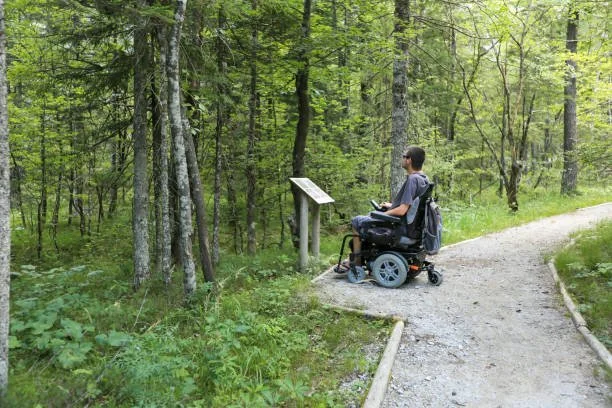
If there's one trail that defines accessible outdoor recreation in Steamboat Springs, it's the Yampa River Core Trail. This paved, mostly flat multi-use path runs through the heart of town, following the Yampa River from Dougherty Road all the way to Bear River Park. The surface is primarily concrete, 6 to 14 feet wide, with wooden bridges featuring handrails and edge barriers along the way.

The trail passes through some of Steamboat's most loved spots: the Yampa River Botanic Park, Howelsen Hill, the Steamboat Springs library, and several parks with benches and picnic tables. It's ideal for both wheelchair hiking and cycling, and it doubles as a practical commuter route through town.

A few things to know: some portions may benefit from all-terrain tires or motorized equipment, depending on your mobility device. Designated accessible parking availability varies by access point, so it's worth checking individual trailhead details before you go.

Why it stands out: Year-round usability, downtown access, scenic river views, and connections to multiple town amenities make this the most practical accessible trail in Steamboat for visitors of all mobility levels.

2. Fish Creek Falls Overlook Trail — Short, Paved, and Spectacular

Distance: 0.25 miles (one-way) | Surface: Paved | Difficulty: Easy

This is one of the most-referenced wheelchair accessible hikes in all of Colorado, and for good reason. The Fish Creek Falls Overlook trail is a quarter-mile paved path maintained by the U.S. Forest Service, leading to a stunning viewpoint of the 283-foot Fish Creek Falls. Educational panels line the route, and the path is specifically noted on the park website as accessible for visitors using wheelchairs, mobility equipment, and strollers.

There are two designated van-accessible parking spaces at the trailhead, which is a significant practical advantage. The trail is beautiful in summer when wildflowers surround the path, and it remains a popular snowshoe destination in winter, though accessibility in snowy conditions will depend on maintenance.

What to know: The overlook gives you a great view of Lower Fish Creek Falls. The trail becomes rocky and technical beyond the first waterfall, so the accessible section is specifically the overlook path, not the longer waterfall hike below.

3. Yampa River Botanic Park Loop — A Peaceful Garden Walk

Distance: 1.1 miles (loop) | Surface: Partially paved paths | Difficulty: Easy

The Yampa River Botanic Park is a six-acre garden sanctuary that has grown from a horse pasture into one of Steamboat's most beloved green spaces. The Loop Walk, Trail Entrance Walk, and North Perimeter Trail are all recommended for wheelchair users. The park explicitly encourages wheelchair visitors to use these three paths, and staff can provide golf cart assistance from the parking lot to the park entrance; just call ahead with 24 hours' notice.

Six accessible van-accessible parking spaces are available in the lot on Pamela Lane on a first-come, first-served basis. The park is also reachable directly via the Yampa River Core Trail by bike or foot, and the free Steamboat Springs Transit system serves the area.

Admission is free, though donations are appreciated. The park is open from dawn to dusk, seven days a week, during its seasonal operating period (typically spring through fall).

What to know: Some interior garden areas are not fully wheelchair accessible without assistance. The park is a peaceful, low-key option that pairs well with a longer ride or a roll along the Core Trail.

4. Spring Creek Trail (Lower Section) — Wide, Flat, and Family-Friendly

Distance: Up to 0.5 miles accessible (lower section) | Surface: Wide dirt road | Difficulty: Easy

Spring Creek Trail is one of Steamboat's most popular multi-use trails, accessible right from downtown. The lower portion, from the trailhead at the intersection of East Maple Street and Amethyst Drive up to Spring Creek Park and the reservoir, is a wide, flat dirt road suitable for most mobility devices and ideal for a relaxed outing.

This lower section is described as wide and flat, appropriate for all ages, and features a picnic pavilion and pond area roughly half a mile in. Dogs are allowed off-leash near the reservoir, making it popular with families and pet owners.

What to know: The trail transitions to steeper, rockier singletrack beyond Spring Creek Park, which is not suited for standard wheelchairs. The accessible experience is genuinely excellent for that first half-mile stretch. Street parking is available at the trailhead.

5. Howelsen Hill Area Paths — Urban Accessible Options Near Downtown

Distance: Varies | Surface: Paved and compacted surfaces | Difficulty: Easy

The area around Howelsen Hill, the historic ski jump and recreational park in downtown Steamboat, offers several paved and accessible walking paths that connect to the Yampa River Core Trail. This is one of the most convenient areas for visitors staying downtown, with flat terrain and access to the river corridor.

This area is part of the broader Core Trail network and functions as a natural extension for accessible cycling and hiking. It's particularly good for shorter outings, with restroom facilities and park amenities nearby. The rodeo grounds and local parks adjacent to this section of the Core Trail are also largely accessible.

Why include it: Many accessible trail guides skip the urban core entirely, but for visitors who want a shorter, lower-effort outing with easy access to food, restrooms, and town amenities, this area is genuinely practical.

Practical Tips for Planning Your Visit

General advice:

  • Check current trail conditions before you go, especially after snow or rain, as surfaces can change significantly

  • The Steamboat Springs Transit system offers free service and can help reduce driving logistics

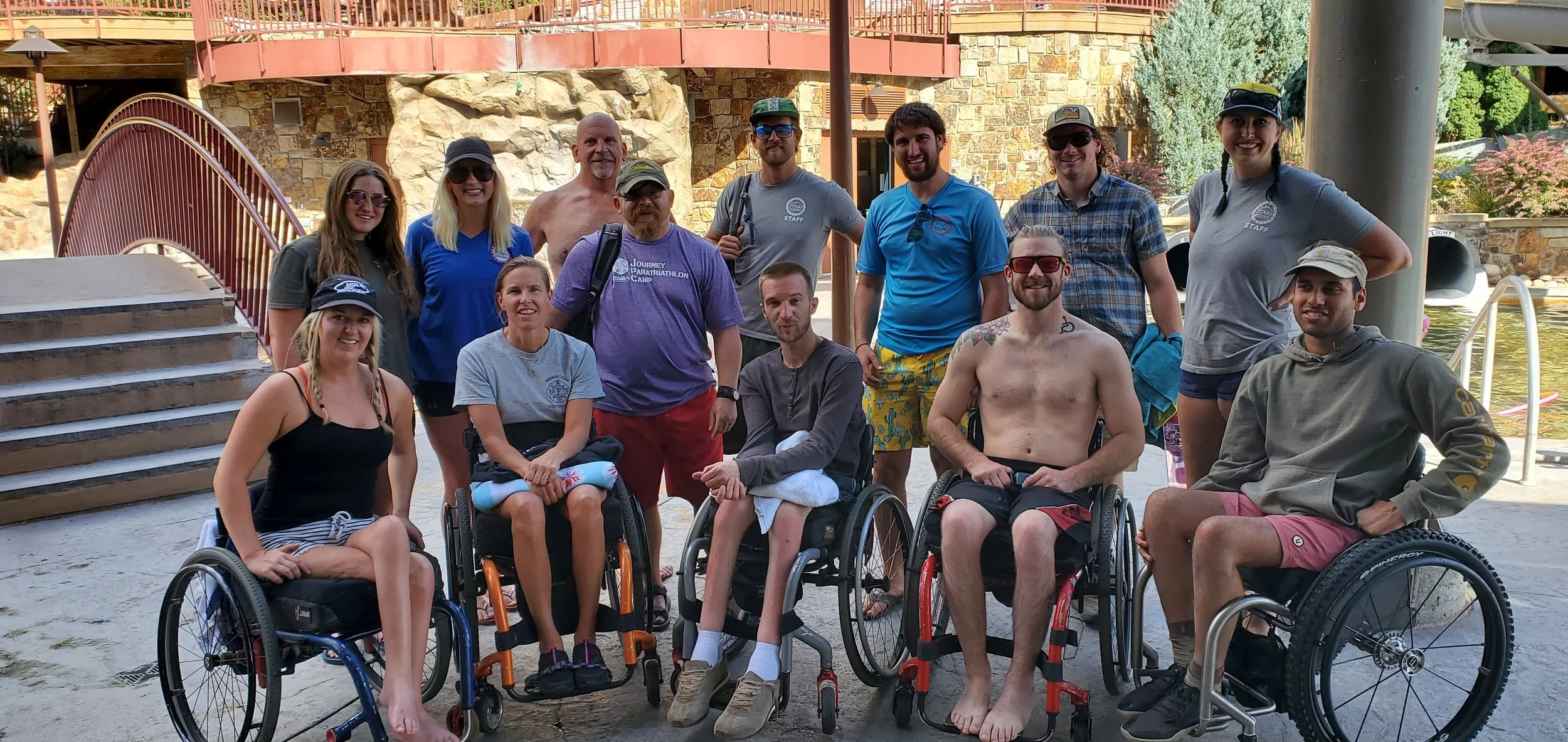
  • Steamboat Adaptive Recreational Sports (STARS) offers summer adaptive programs if you'd like guided or supported outdoor experiences

  • If you're renting adaptive cycling equipment, inquire locally before your trip, as options vary by season

Conclusion

Steamboat Springs offers more than most people realize for wheelchair accessible hiking and cycling. From the long, flat stretch of the Yampa River Core Trail to the short but spectacular Fish Creek Falls Overlook, there are genuinely good options for visitors with a range of mobility needs. Understanding trail surfaces, accessibility features, and available recreation resources can help individuals and families choose outdoor experiences that best fit their needs.

If you are planning a trip, start with the Core Trail as your baseline; it's the most flexible, accessible, and centrally located route in town. Then layer in Fish Creek Falls or the Botanic Park for variety, depending on your available time and energy.

Frequently Asked Questions

Are there truly paved wheelchair accessible trails in Steamboat Springs?

Yes. The Yampa River Core Trail is a 7.5-mile paved concrete path through town, and the Fish Creek Falls Overlook is a quarter-mile paved accessible route maintained by the U.S. Forest Service.

Is Fish Creek Falls accessible for wheelchair users?

The overlook trail to Lower Fish Creek Falls is paved and accessible. The trail beyond the first waterfall becomes rocky and steep, so the accessible portion is specifically the quarter-mile overlook path.

Can I use a standard wheelchair on the Yampa River Core Trail?

Some sections may work better with all-terrain or motorized mobility equipment. The trail is 6–14 feet wide with a mostly flat grade.

Is the Yampa River Botanic Park wheelchair friendly?

The Loop Walk, Trail Entrance Walk, and North Perimeter Trail are suitable for wheelchairs. Staff can arrange golf cart assistance from the parking lot. Call 970-846-5172 with 24 hours' notice.

What is the best accessible trail in Steamboat Springs for first-time visitors?

The Yampa River Core Trail is one of Steamboat Springs' most popular accessible recreation routes, offering a paved, relatively flat path with scenic river views and convenient connections to parks, restaurants, community spaces, and river access throughout town.

When is the best time to visit Steamboat Springs for accessible outdoor recreation?

Late spring through early fall (May through October) offers the best conditions for most accessible trails. The Core Trail and Howelsen Hill paths are usable year-round with appropriate equipment.

Read More
Fanbase Operations Fanbase Operations

What to Expect at an Adaptive Youth Adventure Camp in Steamboat Springs

Quick Answer: An adaptive youth adventure camp in Steamboat Springs offers children and teens with physical or cognitive disabilities access to outdoor activities like kayaking, adaptive biking, and hiking, all guided by trained instructors using specialized equipment in a safe, inclusive setting. These summer day camps for 2026 are designed so that every participant can move at their own pace and experience genuine outdoor adventure.

What Is an Adaptive Youth Adventure Camp?

An adaptive youth adventure day camp is a structured outdoor program built specifically for young people who may face physical or cognitive challenges. "Adaptive" means the activities, equipment, and instruction methods are adjusted to fit each participant's unique needs, so activities can be adapted to support a wide range of participant needs and abilities.

At a place like Steamboat Springs, Colorado, this looks like hand-cycles on mountain trails, sit-kayaks on calm water, or rock climbing with special harnesses. The mountain landscape isn't just a backdrop; it becomes a place where kids have the opportunity to build confidence, explore new experiences, and discover what they're capable of.

What Activities Can Kids Expect at a Summer Adventure Camp in Steamboat Springs?

This is usually the first question families ask. Here's a clear look at what a typical adaptive summer program includes:

Each activity is led by certified instructors who understand both the sport and the specific considerations that come with different disabilities. All necessary adaptive equipment is provided; families don't need to bring anything specialized.

Who Can Participate? Is My Child Eligible?

One of the most common concerns parents have is whether their child "qualifies." The short answer is: STARS works with participants with a wide range of abilities and support needs. Families are encouraged to contact the team to discuss program fit and accommodations.

Adaptive youth adventure camps in Steamboat Springs support young people with a wide range of physical and cognitive disabilities. Programs are designed for all skill levels, from first-timers who've never tried outdoor sports to kids looking to advance their existing abilities.

There's no minimum fitness level or prior camp experience required. Instructors assess each participant's needs individually and build from there.

What Does a Day at Summer Adventure Day Camp Actually Look Like?

Parents and campers often wonder what the daily rhythm feels like. Here's a realistic picture:

  • Morning: Participants arrive, gear up with adaptive equipment, and get a brief safety and skills introduction from their instructor

  • Activity session: The core of the day, one or two activities with hands-on coaching in small groups

  • Breaks and meals: Time to decompress, connect with other campers, and recharge

  • Wrap-up: Instructors check in individually, celebrate progress, and set expectations for the next session

Programs focus on participation, skill development, and enjoying outdoor recreation in a supportive environment.

Why Does Outdoor Adventure Matter for Kids With Disabilities?

This part often gets overlooked in camp descriptions, but it's arguably the most important.

Spending time in nature and tackling physical challenges builds more than just outdoor skills. Research consistently shows that adaptive outdoor recreation helps young people:

  • Develop self-confidence and a positive sense of identity

  • Build independence through mastering new skills

  • Cultivate resilience when facing and overcoming challenges

  • Form genuine friendships with peers in a shared, non-academic setting

  • Strengthen physical stamina through enjoyable, goal-oriented movement

For many families, an adaptive summer camp is the first time their child gets to participate in an adventure activity alongside other kids, without needing to adapt to a program that wasn't designed for them.

Are Scholarships Available for Summer Camps 2026?

Cost is a real barrier for many families, and it's worth knowing upfront that financial support is available.

STARS, the organization running adaptive programs in Steamboat Springs, is a 501(c)(3) nonprofit that offers need-based scholarships for qualifying participants. Scholarships are based solely on financial need, and only complete applications are considered. Scholarship deadlines for summer programs fall on May 15th each year.

Most scholarships are partial, with full scholarships reserved for participants with significant financial need. There is a $25 processing fee for all applications.

Scholarship funding comes from the James Family Scholarship Fund, the Iron Horse Family Foundation, the Kettering Family Foundation, and private donors. Families can call the STARS office at (970) 870-1950 or email info@steamboatstars.com for guidance.

How Is Safety Handled at an Adaptive Adventure Camp?

Safety at an adaptive camp looks different from a standard summer program, and it should.

Instructors at STARS are trained not only in outdoor skills but specifically in adaptive techniques for participants with varying disabilities. All activities are conducted with specialized adaptive equipment fitted to each participant. Group sizes are kept small to ensure consistent supervision and individualized attention.

Beyond physical safety, STARS strives to create a welcoming and supportive environment where participants feel comfortable trying new activities and building confidence.

How to Register for Summer Programs in Steamboat Springs

Getting started is straightforward:

  1. Visit the STARS summer programs page at steamboatstars.com/summer-programs

  2. Explore the program options. Day Programs and Veteran Programs are the two main summer tracks

  3. Register online through the STARS registration portal

  4. Apply for a scholarship if needed (deadline: May 15th for summer)

  5. Call the office at (970) 870-1950 if you have questions about which program level fits your child

If you are unsure which program is the right fit, the STARS team can help assess your child's needs and recommend the most supportive placement.

Frequently Asked Questions

1. What age range does an adaptive youth adventure camp in Steamboat Springs serve?

STARS programs serve individuals of various ages, including youth. The focus is on creating an appropriate experience for each participant, regardless of age. Families should contact STARS directly to discuss age-specific program placement.


2. Do kids need prior outdoor or sports experience to join a summer adventure camp?

No prior experience is needed at all. Programs are designed for complete beginners through to more experienced participants. Instructors provide all coaching from the ground up.

3. What should families bring on the first day of camp? 

STARS provides all specialized adaptive equipment. Families should bring comfortable outdoor clothing, sun protection, and any personal medications or medical supplies their child requires. Specific packing guidance is available through the participant resources page on the STARS website.

4. Can siblings or parents stay nearby during sessions? 

STARS' STARS Ranch property in Steamboat Springs offers lodging options for families. Parents are encouraged to connect with the STARS team about accommodations and how family members can be involved.

5. What types of disabilities do adaptive summer programs in Steamboat Springs accommodate?

STARS works with individuals with a wide range of physical and cognitive disabilities. The program's adaptive approach means activities are tailored to the individual; there is no fixed list of "qualifying" conditions. Families with specific questions are encouraged to call the office directly.

6. Are summer camp 2026 spots still available? 

Summer program spots in Steamboat Springs fill quickly. Families interested in summer 2026 enrollment should register through the STARS website as early as possible to secure availability.

Read More
Fanbase Operations Fanbase Operations

Colorado Special Needs Youth Summer Camps: A Guide to Adaptive Outdoor Fun

Adaptive summer camps create opportunities for children with disabilities to explore real outdoor adventure, hiking, cycling, and water sports, with trained staff and specialized equipment built around every ability level.

Adaptive summer camps are intentionally designed to support participants thoughtfully planned outdoor experiences. They are purpose-built programs where every activity, every piece of gear, and every staff member is there for one reason: to help your child experience the outdoors fully and confidently.

Colorado's mountain landscape and strong adaptive recreation community make it a popular destination for adaptive outdoor programs. Whether your child has a physical disability, a cognitive or developmental difference, or a complex combination of needs, the right adaptive camp can provide meaningful opportunities for growth, recreation, and connection.

What Types of Activities Do Adaptive Summer Camps Offer in Colorado?

Colorado's geography makes it uniquely suited for adaptive outdoor recreation. Here's what well-rounded programs typically offer:

Land-Based Activities

  • Adaptive hiking on accessible trails

  • Adaptive cycling (hand cycles, tandem bikes, recumbent options)

  • Nature exploration and environmental education

Water-Based Activities

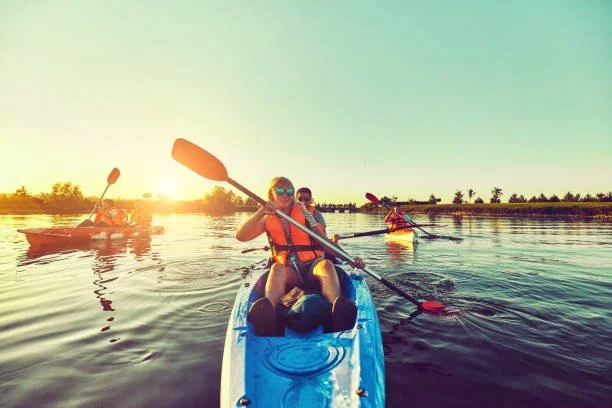
  • Kayaking and canoeing with adaptive equipment

  • Fishing programs on mountain rivers and lakes

  • Rafting is adapted for varying ability levels

Ranch & On-Site Experiences

  • Team-building exercises designed for mixed-ability groups

  • Campfire evenings, social programming, and peer connection

Programs at places like STARS (Steamboat Adaptive Recreational Sports) in Steamboat Springs, Colorado, combine all of the above into structured summer sessions. STARS offers summer and fall programs, including cycling, hiking, and water-based adventures, designed to support participants with a wide range of abilities, held against the backdrop of the Colorado Rockies.

Who Can Attend Adaptive Youth Summer Camps in Colorado?

This is one of the most common questions families ask when exploring adaptive summer camp options. 

Adaptive camps in Colorado often support youth with a wide range of physical, developmental, cognitive, and sensory disabilities, including:

  • Physical disabilities, limb differences, spinal cord injuries, paralysis, cerebral palsy

  • Cognitive and developmental disabilities: Down syndrome, autism spectrum disorder, intellectual disabilities

  • Acquired injuries, traumatic brain injuries, and post-surgical recovery

  • Sensory impairments, such as visual or hearing impairments

  • Multiple or complex disabilities programs with higher staff-to-participant ratios

Most programs accept participants across a range of ages, typically from around 8 years old through young adulthood. Custom or group programs may accommodate families or specific organizations (military families, rehabilitation groups, school teams) as well.

If you are unsure whether a particular camp fits your child's needs, reach out directly. The best adaptive programs take intake seriously and will tell you honestly whether they're the right fit.

What Makes a Great Adaptive Summer Camp? A Parent's Checklist

Families evaluating adaptive summer camps often look for several important factors. Here's what separates a truly excellent program from a generic one:

STARS checks every one of these boxes. They operate year-round (summer/fall and winter/spring programs), maintain a full ranch and lodging facility, offer scholarships, and have earned genuine testimonials from participants whose lives were changed by the experience.

How Do Adaptive Summer Camps in Colorado Compare to Standard Camps?

Here's a comparison parents and caregivers often need to make:

Adaptive camps are intentionally designed to support participants through specialized equipment, trained staff, and individualized approaches to recreation. 

Are There Scholarships Available for Special Needs Summer Camps?

Cost is a real barrier for many families. The good news: many Colorado adaptive programs, including STARS, offer scholarship opportunities specifically to remove financial obstacles to participation.

If a program doesn't list scholarships on its website, it's worth asking about available financial assistance opportunities. Many adaptive nonprofits have funding they don't heavily publicize.

Tips for securing a scholarship:

  1. Apply early; funds are often first-come, first-served

  2. Be specific about your child's needs and goals in the application

  3. Ask about partial scholarships if full funding isn't available

  4. Check with your state's disability services office for additional funding sources

Why Steamboat Springs Is One of the Best Places for Adaptive Youth Recreation

Steamboat Springs sits at the heart of Colorado's outdoor adventure culture, and adaptive recreation is an important part of the community and outdoor culture.

STARS offers year-round adaptive recreation opportunities, a ranch setting with lodging, trained staff and volunteers, custom group experiences, and programs designed to help participants build confidence and connection through outdoor recreation. 

For a family looking for an adaptive youth summer camp that takes their child seriously, Steamboat Springs deserves to be at the top of the list.

Ready to Explore? Here's Your Next Step

Finding the right adaptive summer camp starts with a conversation. If you're looking for a program in Colorado that combines genuine outdoor adventure with real adaptive expertise, STARS is worth contacting directly.

Visit steamboatstars.comto explore summer programs, check scholarship availability, and register for an upcoming session. Spots fill fast, especially in summer.

Every child deserves the opportunity to discover their own "power of possibility". 

Frequently Asked Questions

Q: What is an adaptive summer camp for kids with disabilities?

An adaptive summer camp modifies outdoor activities so children with physical, cognitive, or sensory disabilities can participate fully. Equipment, staffing, and programming are all designed around each participant's ability level.

Q: What disabilities do Colorado adaptive camps typically serve?

Colorado adaptive camps serve youth with cerebral palsy, Down syndrome, autism, spinal cord injuries, traumatic brain injuries, limb differences, and visual impairments. Always confirm directly with the program for your child's specific needs.

Q: How do I know if my child is ready for an adaptive outdoor camp?

Most quality programs conduct an intake assessment before enrollment, asking about mobility, communication, medical considerations, and support needs to help create the best possible experience for each participant. 

Q: Is Colorado a good destination for adaptive youth camps?

Yes. Colorado's mountain terrain, strong adaptive sports culture, and established organizations like STARS in Steamboat Springs make it one of the best places in the US for adaptive youth outdoor recreation.

Q: Can families stay on-site at adaptive summer camps in Colorado?

Some programs, including STARS, offer full ranch and lodging facilities on-site. This is ideal for families traveling from out of state or children who benefit from an immersive overnight experience.

Q: What is STARS in Steamboat Springs?

STARS is a Colorado nonprofit that empowers people with disabilities through adaptive sports and outdoor adventure. They offer year-round programs, including hiking, cycling, horseback riding, and water activities at their Steamboat Springs ranch.

Read More