What to Know About Planning a Custom Adaptive Group Program
If you have been tasked with planning a custom adaptive group program, or you are simply exploring what one could look like, you have probably realized pretty quickly that there are many factors to consider. It's not like planning a standard group activity where you pick a time, book a space, and show up. Adaptive sports programming requires thoughtful planning to support participants with varying needs and abilities.
Whether you are working with individuals who have physical disabilities, cognitive differences, sensory sensitivities, or any combination of needs, a well-designed custom adaptive group program is built around participants’ individual needs and abilities. This guide breaks down what you actually need to think about, in a practical and accessible way.
What Exactly Is a Custom Adaptive Group Program?
At its core, a custom adaptive group program is a structured activity or series of activities designed specifically around the needs, goals, and abilities of a particular group. The word "adaptive" means the program bends to fit the participants, not the other way around.
This can apply to recreational programs, therapeutic activities, sports, arts, outdoor education, social skills groups, and much more. What makes it "custom" is that it's built with your specific group in mind; their ages, diagnoses, support levels, communication styles, and personal interests all shape the design.
Programs are often more effective when they are designed around the specific needs of participants. Customization helps create programs that participants feel comfortable and engaged in over time.
How Do You Actually Start Planning One?
Before you book anything or write a single activity plan, start by asking a few honest questions:
Who are the participants, and what do we actually know about their needs?
What are the goals: social connection, skill-building, physical activity, fun, or a mix of all of them?
What support systems are in place, and how many facilitators will be present?
What environment will work best: indoors, outdoors, a familiar setting, or somewhere new?
Are there sensory, mobility, or communication considerations that need to be built in from day one?
Does your group need accessible lodging accommodations?
What types of meals would you group like?
These aren't just logistical questions. These considerations influence how the program is structured and supported. Inclusive program design starts long before anyone shows up on day one. The planning process itself, when done with care, helps create a more inclusive and supportive environment for participants and families.
Does Every Participant Need an Individual Assessment?
Not always a formal one, but some level of individual understanding is important. Even a simple intake form or brief conversation with a family member or support worker can reveal things that help shape how activities are structured and supported. Considerations may include: movement breaks, communication tools, sensory sensitivities, comfort with group settings.
Knowing these things ahead of time means facilitators can better prepare for participant needs, and helps participants feel more supported in new or unfamiliar environments.
What Makes an Adaptive Group Program Actually Work?
Plenty of programs are adaptive in theory but fall flat in practice. Here's what tends to make the difference:
Flexibility Built Into the Structure
A good adaptive sports program has a clear plan, while allowing flexibility when participant needs change. If an activity is not working as intended, you need to be able to adjust activities when needed while maintaining structure and support. This means having backup options ready and trusting facilitators to respond to participant needs in real time. Structure gives people a sense of safety; flexibility means you can actually meet them where they are on any given day.
Staff Who Understand Adaptive Practice
You don't necessarily need a room full of specialists, but you do need people who understand adaptive approaches, are comfortable with different communication styles, have experience with a variety of adaptive equipment, and can respond calmly to unexpected situations. Training your team, even briefly, before the program begins can significantly improve the participant experience.
Participant Voice in the Design
When participants have a say in what the program looks like, participants are often more engaged. Even small choices about activities, schedules, or participation can help build a sense of ownership. Inclusive program design isn't just about removing barriers; it's about creating a stronger sense of participation and connection.
Are There Common Mistakes to Avoid?
Yes, and most of them come from good intentions. A few worth watching out for:
Assuming all participants with the same diagnosis have the same needs.
Over-programming. Packing too much into a session can make it difficult to adjust to participant needs during the session, or to respond to what's actually happening in the group.
Forgetting about transitions. For many participants, moving from one activity to the next is harder than the activity itself. Build in transition time and cues.
Skipping feedback loops. What worked? What didn't? Who thrived and who struggled? Building in a simple way to track this makes every future session better.
Final Thoughts
Planning a custom adaptive group program is an ongoing process that evolves over time. Your first session will teach you things no amount of pre-planning could.
Adaptive group programs are often most effective when facilitators remain flexible, responsive, and participant-focused.
Program planning takes time, and ongoing adjustments are often part of the process. Thoughtful planning can improve participant comfort, engagement, and overall experience.
Want help building a program designed around your group’s needs?
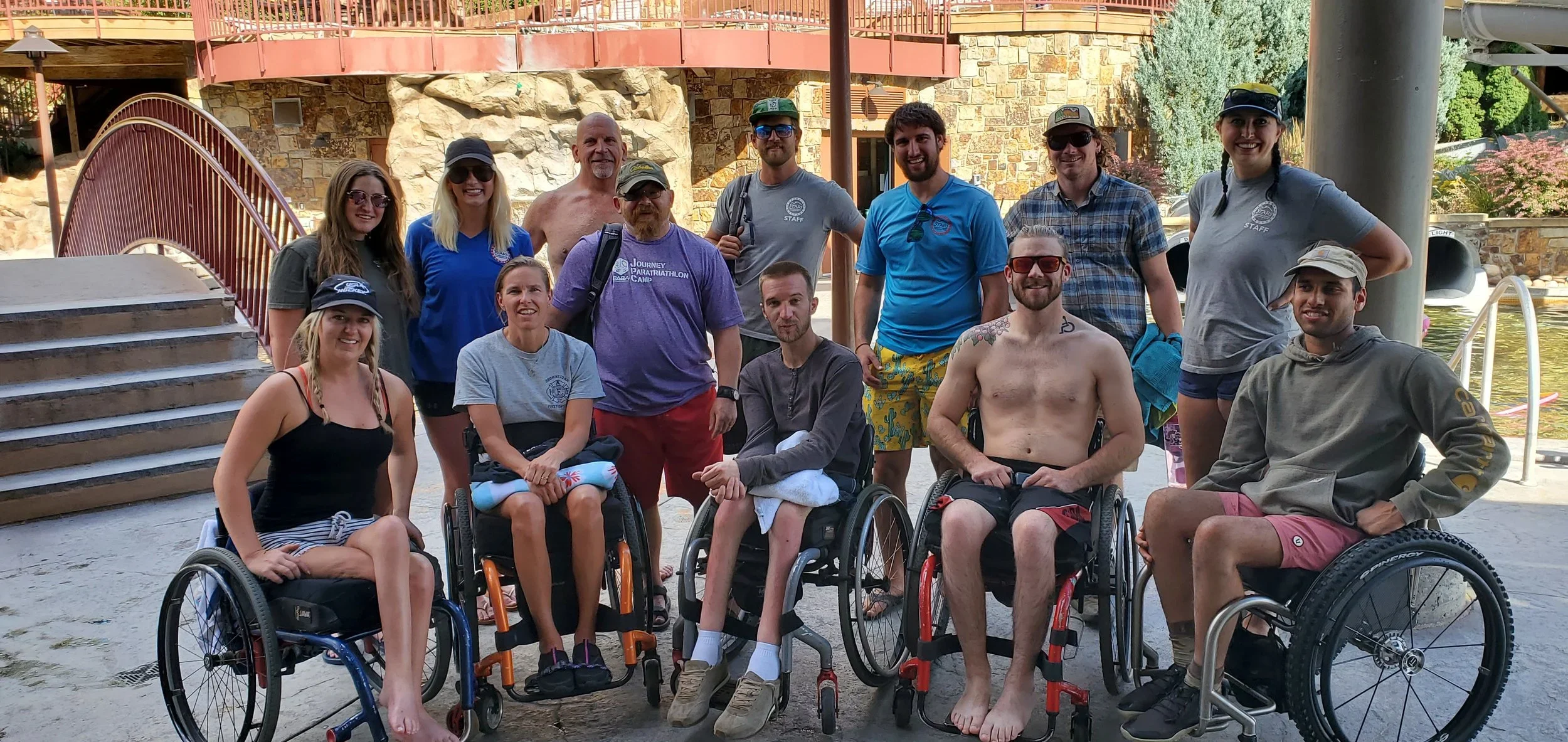
At Steamboat STARS, we work with organizations and families to design custom adaptive sports group programs that are thoughtful, practical, and designed around participant goals, abilities, and support needs. Whether you are just starting out or looking to improve what you already have, our team is available to help.
Visit us at www.steamboatstars.com and let's figure out what's possible together.
Frequently Asked Questions
How many participants should be in a custom adaptive group program?
Smaller group sizes are often easier to support effectively. A ratio of one instructor for every two to three participants works well for higher support needs. Start small, learn your group, and adjust from there. At the STARS Ranch, there are 9 rooms with a total of 24 beds, so a smaller group is generally a good fit if accessible accommodations are needed.
Can custom adaptive sports group programs work outdoors or in non-traditional settings?
Yes, outdoor settings can work well for many adaptive group programs. Outdoor settings can provide flexible and engaging recreation environments for participants. Just check accessibility, sensory factors like noise or sunlight, and ensure proper support is in place before you go.
How long should a custom adaptive group program run?
Start shorter than you think you need to. Some groups respond well to 90-minute sessions; others need 45. Start with a manageable schedule and adjust based on participant needs. Typically an overnight camp is best to arrive on a Monday and depart on a Friday with 3 full days of sports programming during the week.
Do families or caregivers play a role in adaptive group programs?
Yes, in some form. Families often provide valuable insight into participant needs and preferences.. Keep communication open, share highlights, and invite feedback; treat families as partners, not bystanders.